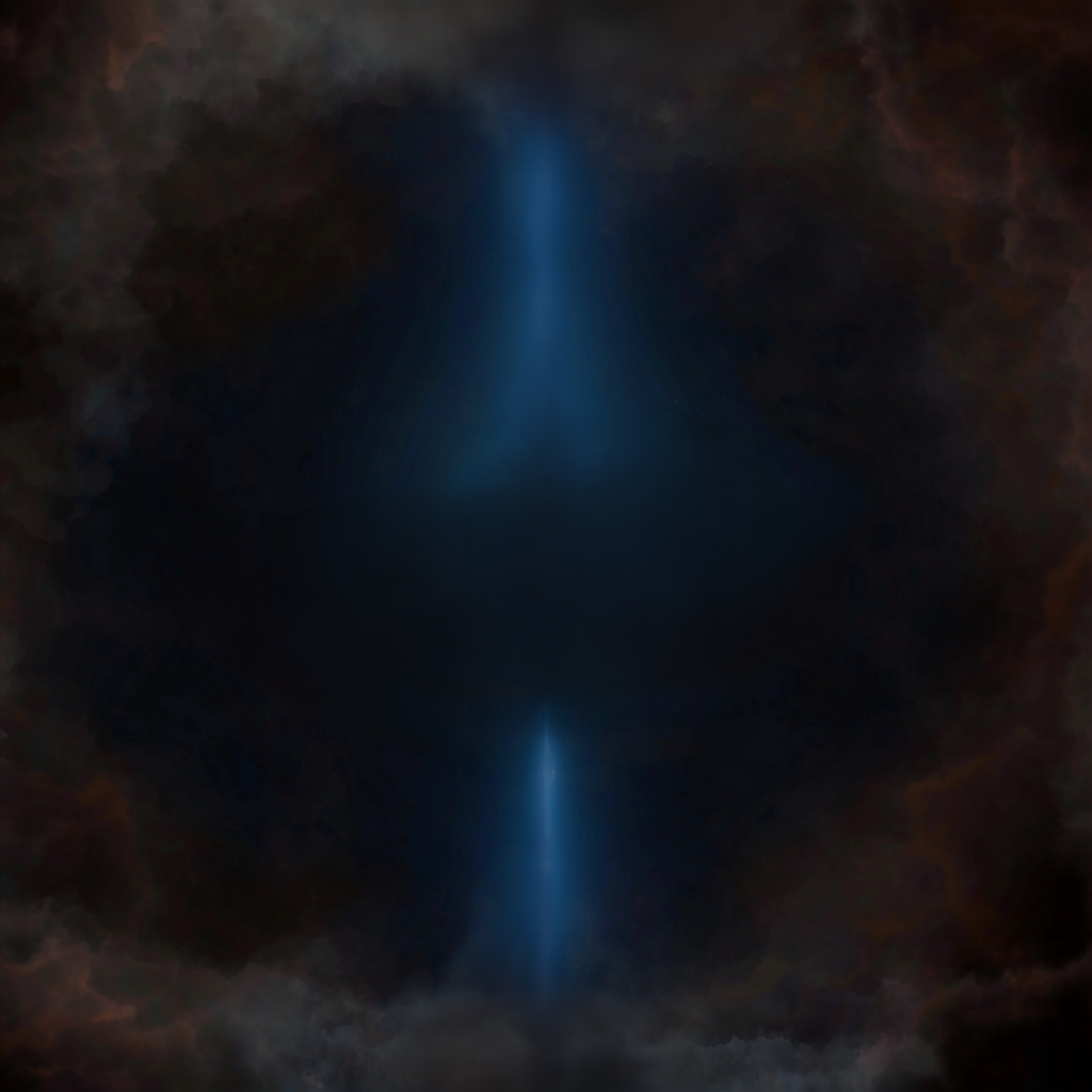

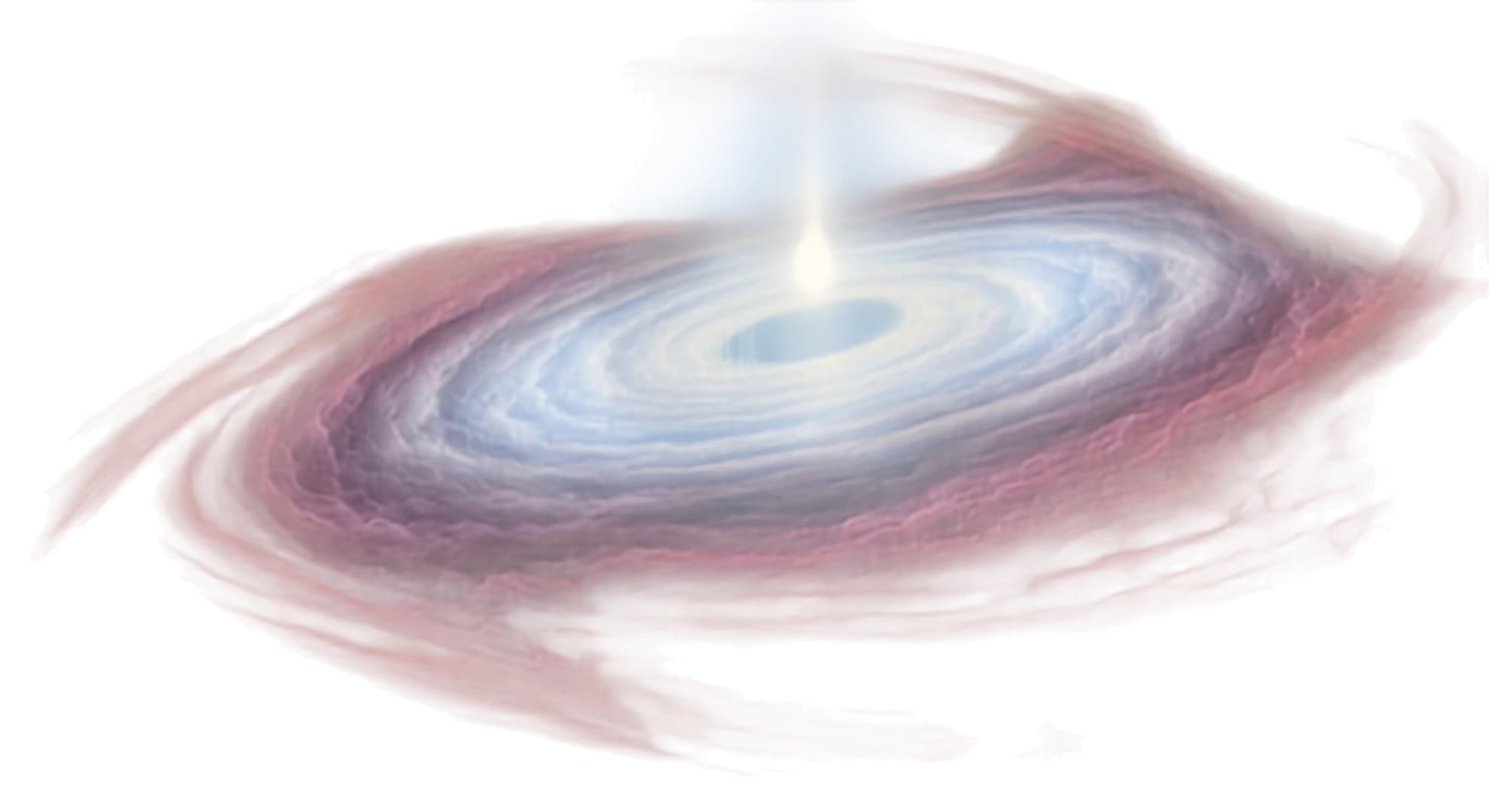

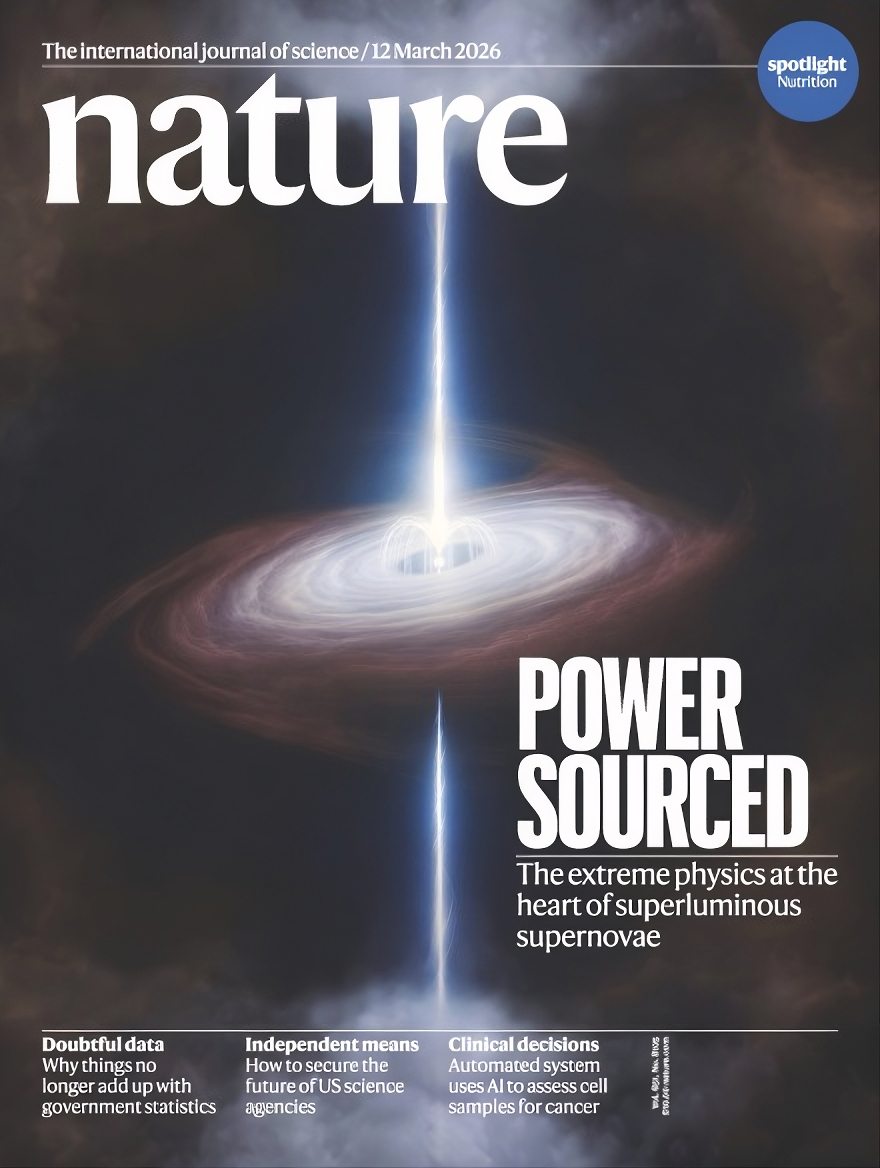
Nature magazine cover, 12 March 2026: “Power Sourced — the extreme physics at the heart of superluminous supernovae,” featuring the SN 2024afav accretion disk and relativistic jet.

The new CHIRPS collaboration.

CHaracterization and Inference of Rotating, magnetar-Powered SLSNe

Out of 15,000 known supernovae, the first chirp.

The strongest confirmation yet of an infant magnetar at the heart of a dying star.

The first hint of general relativity in a completely new regime—the violent vicinities of young supernovae.

Nature, vol. 651 — 12 March 2026. Cover story.

Out of 15,000 known supernovae, the first chirp.

The strongest confirmation yet of an infant magnetar at the heart of a dying star.

The first hint of general relativity in a completely new regime—the violent vicinities of young supernovae.

Nature magazine cover, 12 March 2026: “Power Sourced — the extreme physics at the heart of superluminous supernovae,” featuring the SN 2024afav accretion disk and relativistic jet.

Nature, vol. 651 — 12 March 2026. Cover story.

Most supernovae fade. This one sang: its light rising and falling in a perfect rhythm that quickened as the star died. We have an idea as to why. Deep inside the wreckage, a newborn magnetar is dragging spacetime itself and the matter around it into a slow wobble like a top, and each turn of that wobble reaches us as another beat of light. If true, it would be the first time we have ever seen such a thing.

We are not certain it is the whole story, which is exactly why we're eager to learn more. Whatever is making these explosions chirp, the explanation runs through some of the most extreme physics in the universe: nuclear matter, magnetic fields beyond anything we can imagine, gravity strong enough to twist space and time itself. Our goal is simple: we want to find more of them, and understand how they tick. Every new chirp we find is a fresh chance to be surprised.

Why we care

  1. 01

    A cosmic clock.

    A supernova whose light chirps as it fades, oscillating faster and faster as a newborn magnetar's disk precesses.

  2. 02

    A new probe.

    The chirp encodes the spin, field, and structure of a neutron star in the first days of its life, presenting the possibility of a measurement nothing else can make.

  3. 03

    A population waiting.

    SN 2024afav was the first. Rubin/LSST should find many more, and each one is a rich laboratory of unexplored physics.

Measure a magnetar

The chirp is set by two numbers: how fast the newborn magnetar spins, and how strong its magnetic field is. Drag them, and watch the model try to match the real light curve of SN 2024afav.

Where we're going

  1. 01

    Find the population.

    Build detection tools to catch chirping superluminous supernovae in Rubin/LSST, turning one candidate object into a sample.

  2. 02

    Model the engine.

    Refine the magnetar–disk model that reproduces the light curve and the chirp together, and pin down what the chirp's evolution encodes about the central engine.

  3. 03

    Weigh a newborn neutron star.

    Use the chirp as a clock to constrain the spin, magnetic field, and interior of a neutron star days after its birth, connecting supernova observations to the physics of dense matter.

Who we are

In the press